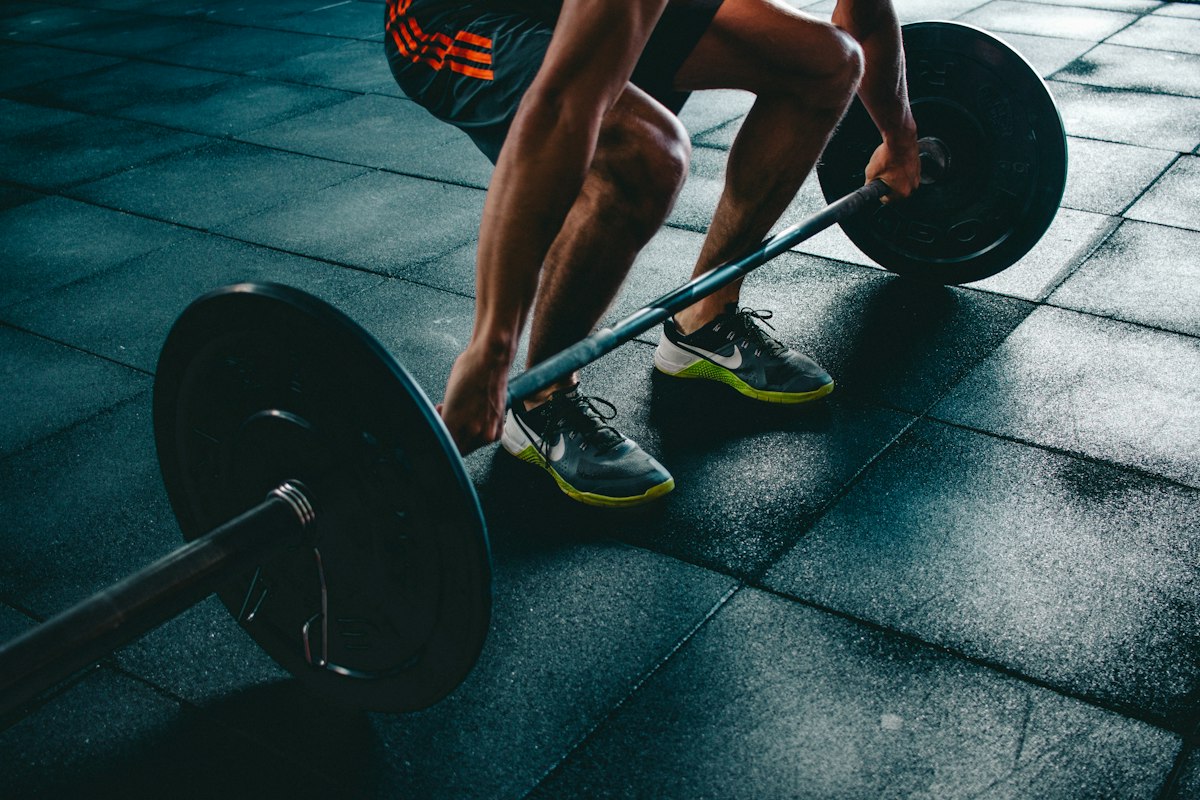
Academic and Physical Wellbeing Together
Alongside academic tutoring, Lo Sir offers professional basketball and swimming instruction to build concentration and confidence, earning parents' and students' trust. Physical fitness can also help develop determination.
Lo Sir is a physics and mathematics graduate, former registered secondary teacher and full-time private tutor for 12 years. Teaching mathematics, science, English, basketball and swimming gives him insight into students through both academic and sporting activities. For details, see Full-Time Tutor Lo Sir's Qualifications。
Sport and Concentration: Department of Health and WHO Guidance
The relationship between exercise and learning is supported by more than intuition. The following points draw on public information from the Centre for Health Protection and the World Health Organization (WHO).
At Least 60 Minutes of Daily Physical Activity
WHO recommends that children and adolescents aged 5–17 average at least 60 minutes of moderate-to-vigorous activity daily, with vigorous aerobic and muscle/bone-strengthening activities at least three days a week. The daily total can be accumulated in shorter sessions, such as after-school basketball.
Concentration After Physical Activity
Department of Health information notes research showing more appropriate classroom behaviour and better attention immediately after activity. Aerobic exercise raises heart rate and breathing and increases blood flow to the brain.
Benefits for Mathematics and Language Learning
The Department of Health notes that improved fitness may benefit academic performance, especially subjects requiring thinking, reading and memory, such as mathematics and languages. Research also links sport and greater physical activity with better school results.
Confidence and Emotional Wellbeing
Compared with inactive peers, active children and adolescents tend to show stronger self-esteem or confidence and fewer anxiety and depressive symptoms.
Exercise does not replace revision, and results vary between individuals. It is best viewed as supporting learning. Source:Department of Health: Physical Activity, Children's Development, Cognition and Academic Performance。
What Basketball Lessons Cover
Lo Sir's basketball lessons suit students preparing for school-team selection or developing an interest.
- Individual fundamentals:Ball handling, shooting and defence.
- Tactical thinking:Reading the game and working with teammates.
- Fitness:Developing a physical foundation through training.
What Swimming Lessons Cover
Swimming instruction is available from complete beginner to advanced level.
- Stroke correction:Freestyle, breaststroke, backstroke and butterfly.
- Water confidence:Developing awareness and control in the water.
- Speed and endurance:Gradually improving once technique is sound.
Lesson Formats and Fees
- Basketball and swimming are available one-to-one or in small groups of two to four.
- Fees are quoted per one-hour lesson according to ability. See Private Tutoring and Sports Course Fees。
- For available times, see Working Hours and Available Slots; contact us directly to confirm current openings.
- Confirm the venue when enquiring. For sports coaching details, see Services。
How Sport and Academic Learning Support Each Other
Regular exercise can help manage stress and improve classroom attention. Small sporting achievements may rebuild learning confidence in students discouraged by English or mathematics/science. Enquire about combined academic and sports lessons.
Alongside Mathematics and Science Tutoring
Mathematics and science require sustained concentration. After exercise, revision can use Mathematics and Science: Understand and Apply to connect formulas with everyday examples and identify pitfalls and missing steps.
Alongside English Tutoring
For students resistant to English, rebuilding confidence matters more than additional drills. See English: Build an Environment, Not Just a Word Listand begin with everyday exposure.
Alongside Regular Routines
Scheduling both exercise and revision makes consistency easier. See Building Better Study Habits; students taking video lessons may also consult Making Online Lessons More Effective。
How Parents Can Plan
- Accumulate activity in shorter sessions:The daily 60 minutes need not be completed all at once.
- Exercise before revision:Schedule harder subjects after exercise to make use of improved attention.
- Do not stop all exercise during examinations:Department of Health information notes that reducing physical education does not improve academic performance. For pre-exam planning, see How to Revise in the Week Before Tests and School Allocation Assessments。
- Choose activities by interest:Basketball emphasises teamwork and tactics; swimming emphasises individual rhythm and endurance. Enquire according to your child's interests.
- Plan academics and sport together:To learn how lessons address assessment criteria, see Lo Sir's Teaching Method。
Sport and Tutoring FAQs
Can exercise improve students' concentration?
Department of Health information cites research showing more appropriate classroom behaviour and better attention immediately after physical activity. Exercise does not replace revision and results vary, so it should support learning rather than substitute for it.
How much activity should children and adolescents do daily?
WHO recommends an average of at least 60 minutes of moderate-to-vigorous activity daily for ages 5–17, with vigorous aerobic and muscle/bone-strengthening activity at least three days a week.
How much are Lo Sir's basketball and swimming lessons?
Both are available one-to-one or in groups of two to four, priced per one-hour lesson according to ability. Please contact Lo Sir for a quotation.
Can academic tutoring and sports courses be arranged together?
Yes. Lo Sir provides academic tutoring alongside basketball and swimming instruction. Combined arrangements are welcome.
Can a complete beginner learn swimming?
Yes. Lessons cover beginners through advanced swimmers, including freestyle, breaststroke, backstroke and butterfly technique, water confidence, speed and endurance.
For more questions, see Private Tutoring FAQs, or view Parent and Student Reviews of Lo Sir。