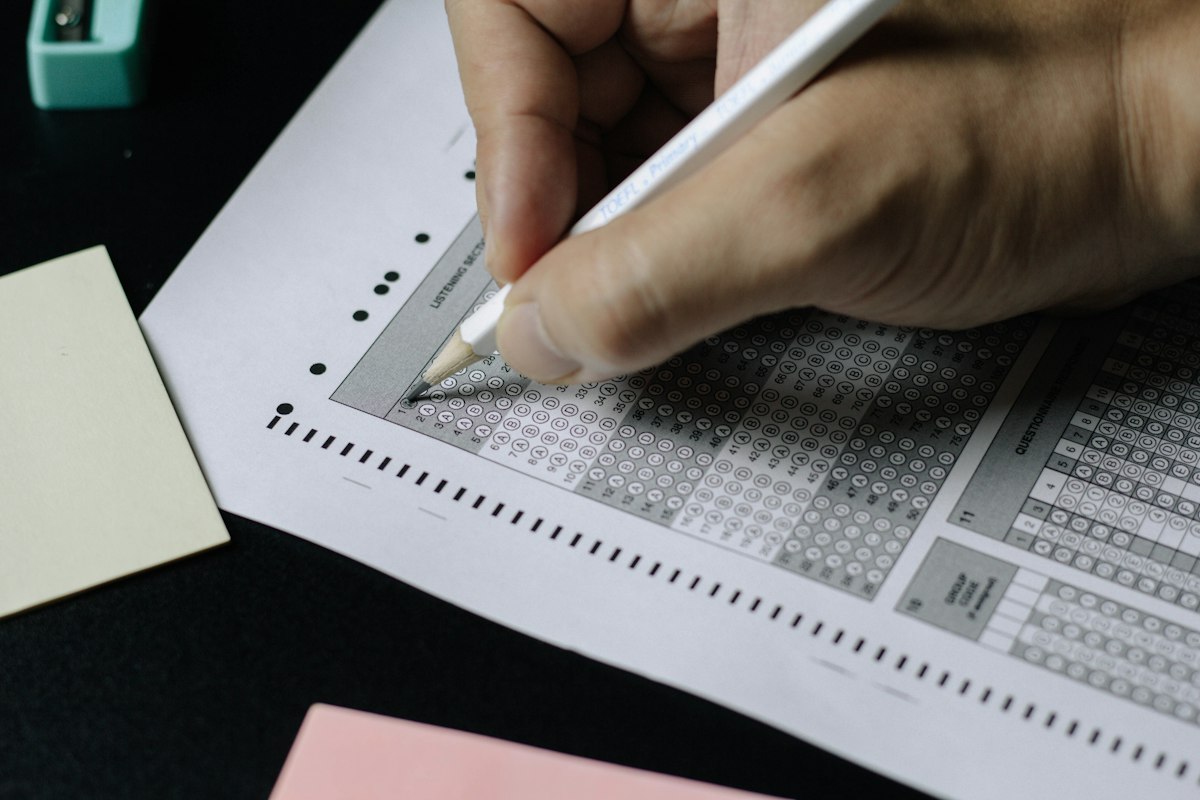
The Final Week: Quality Before Quantity
Primary students prepare for allocation assessments and school tests; senior students face DSE and internal examinations. Avoid buying several new exercise books to work through from scratch. Prioritise weaknesses within the school's syllabus and check complete working against assessment criteria.
This article draws on Lo Sir's teaching experience. He is a former registered secondary teacher who developed science examination strategies for a leading tutorial centre, with 12 years of full-time tutoring. See Full-Time Tutor Lo Sir's Qualifications。
What Are School Allocation Assessments?
The commonly used term refers to internal examinations in the second term of Primary 5 and both terms of Primary 6.
- Under the Education Bureau's Secondary School Places Allocation arrangements, participating primary schools submit students' internal results from these three terms.
- These results are standardised and scaled to determine allocation bands.
- Chinese, English, mathematics, general studies, visual arts and music are currently included in the internal assessments described here. Schools determine specific arrangements and inform parents.
These are school examinations covering material taught at school, so revision should follow school progress. Source:Education Bureau Secondary School Places Allocation. Refer to the latest Education Bureau and school announcements for current arrangements.
Suggested Process
- List the examination syllabus and previous errors as understood, partly understood or not understood.
- Bring partly understood and unclear questions to lessons or homework support first, to address pitfalls directly.
- Time mathematics and science practice and check that all method-mark steps are shown.
- For English, revise common grammar and complete a short writing or reading task rather than cramming word lists.
- Maintain sleep and regular routines. Weekend sessions can follow the Schedule for additional preparation.
Step 1: Sort Incorrect Answers into Three Groups
| Category | How to Identify It | What to Do Before the Examination |
|---|---|---|
| Understood | You can solve the question fully without the answer | Review quickly rather than spending excessive time |
| Partly Understood | The answer makes sense, but you get stuck working independently | Prioritise it, attempt it again and check each step |
| Not Understood | The answer is still unclear after reading it | Bring it to tutoring or ask through homework support |
Partly understood questions are especially valuable: often only one missing step separates you from earning marks.
Step 2: Time Mathematics and Science Practice and Check Working
Marks often depend on the working. Time your practice and check not just the final answer but also the equations and steps. See Mathematics and Science: Understand and Apply。
Step 3: Revise Common English Grammar
Memorising long word lists in the final week has limited value. Focus on frequently tested grammar and a short writing or reading task. For everyday English methods, see English: Build an Environment, Not Just a Word List。
Step 4: Maintain Sleep and Routine
Avoid disrupting routines before examinations. Students with regular revision times can maintain the same rhythm. See Building Better Study Habits. Moderate exercise can also support concentration. See How Sport Supports Concentration in Learning。
A Sample Final-Week Revision Plan
Adjust this example to the subjects and examination dates:
| Time | Suggested Focus |
|---|---|
| Seven Days Before | List each subject's syllabus and sort previous errors into three groups |
| Six to Four Days Before | Work through partly understood questions; bring unclear ones to lessons or homework support |
| Three to Two Days Before | Time mathematics/science practice and check working; revise common English grammar and complete short writing or reading |
| The Day Before | Briefly review notes and errors, prepare stationery and rest at your usual time |
Pre-Exam Priorities by Stage
Primary Allocation Assessments (Primary 5–6)
Focus on the school's revision scope, textbooks and worksheets. Lo Sir's Primary 4–6 all-subject lessons follow school tests and examinations.
Junior Secondary Tests and Examinations
With more subjects, prioritise algebra, geometry and integrated science foundations. English-medium students should also allow time to familiarise themselves with question wording.
Senior Secondary Internal Exams and DSE
Sorting errors and checking method marks also apply to physics, chemistry, biology and mathematics. Lo Sir teaches answers aligned with assessment criteria. See Teaching Method。
Common Pre-Exam Mistakes
- Buying more exercise books and starting from the beginning:Time is spent on familiar questions while weaknesses remain unresolved.
- Checking only answers, not working:Skipped steps can lose marks in examinations.
- Cramming word lists:Less reliable than revising frequent grammar and doing short writing or reading tasks.
- Disrupting routines before exams:Maintain sleep and a regular schedule.
How Parents Can Help
- Share school test, allocation assessment and DSE schedules so lesson priorities can be adjusted.
- Encourage children to bring unclear questions to lessons instead of adding practice indiscriminately.
- Use the enrolled-student 24-hour WhatsApp / WeChat homework support service to prevent problems accumulating.
Need Extra or Rescheduled Lessons?
Availability changes. Please Contact Lo Sir to confirm; for fees, see Fees。
- Pre-exam tutoring can be at home, in a public venue or on Zoom. See One-to-One and Home Tutoring Services。
- Online lessons can help when time is tight. See Making Online Lessons More Effective。
- For other families' experiences, see Parent and Student Reviews。
Pre-Exam Revision FAQs
What are school allocation assessments?
The term commonly refers to internal examinations in the second term of Primary 5 and both terms of Primary 6. Under the Education Bureau's allocation system, participating schools submit these results to help determine students' allocation bands.
Should students do new exercises or review errors in the final week?
Prioritise previous errors. Avoid starting several new exercise books from scratch. Address weaknesses within the school's syllabus and check complete working against marking criteria.
How should revision time be allocated?
List the syllabus and previous errors as understood, partly understood or not understood. Prioritise the latter two and quickly review understood topics, focusing time on likely lost marks.
How should students practise mathematics and science before examinations?
Time questions and check that all method-mark steps are included. Checking only final answers can leave skipped steps that lose marks.
What should students revise for English?
Common grammar and a short writing or reading task are more reliable than last-minute word-list memorisation.
Can extra lessons be arranged with Lo Sir before examinations?
Please enquire. Several weekend slots may help with final preparation, but availability changes and must be confirmed directly.
For more questions, see Private Tutoring FAQs。